
Real depth is more than a reverb preset.
SUMMER SALE | 40% OFF all courses
Lesson series
No great mix without great depth of field.
A mix without great reverb design and real depth is never a great mix. It will always sound flat, however well it is balanced. Presets are not enough: most recordings come from small, difficult rooms, and the more difficult the room, the less a preset can do. Anyone who wants to master depth of field has to understand reverb itself: sampled or algorithmic, and what every parameter does.
"The examples in lesson 1 are very inspiring. I have never heard such depth in a mix before." Jeroen, Reverb Bible student
What this course trains
Depth, space and localization
Course Duration
10+ hours
Masterclass for
Intermediate level or higher
Regular Price
€249
Intermediate Course
STUDENT VERDICT
The feedback speaks for itself.
The method
Hear it. Decide it. Then build it.
WHAT CHANGES
It changes how you hear depth.
kind words by students
Course reviews
Daniel’s reverb bible course was the answer to a question I’d been thinking about ever since I started mixing: how to create a truly three-dimensional mix, not just with width, but with depth. Daniel’s instruction unlocked the magic of reverbs for me and showed me how to create the kind of spacious mixes I hear on all of my favorite songs.
David Payette
(New York)
(New York)
Not only is Daniel Dettwiler a world-class sound engineer, he's also a fantastic teacher. This is the best course ever on reverb! Information, tools and tips that you won't find anywhere else. It's clear, precise, detailed, in a word: amazing!
Christel Schlüchter
(Switzerland)
(Switzerland)
Daniel's 'Reverb Bible' course unlocked the secret to how to make my mixes sound big. It’s amazing how the right knowledge about how reverbs really work can make something technical so much easier to understand. If you’re ready to make your mixes sound 3D, this is the course for you
Zech Allen
(New York)
(New York)
SKILL 1
Build the stage behind the speakers
SKILL 2
Place every source, front to back
SKILL 3
Wrap it in envelopment
Why Choose This Course?
1. Understand spatial depth
Every technique starts with the idea behind it: how space is heard, and what a reverb has to do for a given source.
2. Apply it in real sessions
Pop, jazz and folk productions show the same concepts at work in different styles.
3. Go beyond the parameters
Distorted reverbs, delays before and after the reverb, filters and pitch changes. The course goes on where most courses stop.
Learn from a real master
"I was deeply impressed by the depth of field… You are an outstanding engineer." Al Schmitt, Grammy-winning engineer
What's included?
Meet your instructor
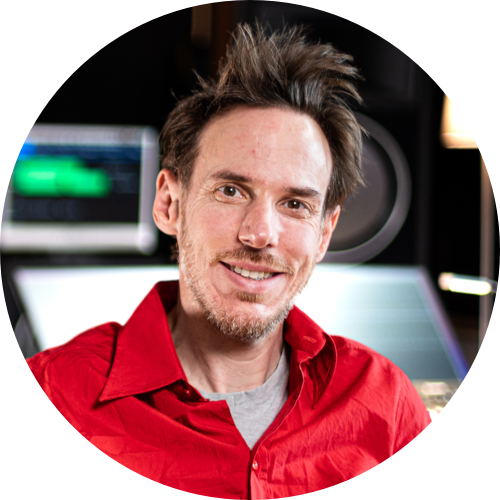
Daniel Dettwiler
Daniel is a world-class recording and mixing engineer with over 30 years of experience and clients all over the world. His areas of specialization include acoustic music genres such as jazz (big and small) as well as pop, orchestral and film music.
Here's a selection of productions he's worked on: ECM, Herbert Grönemeyer, London Symphony Orchestra, Kurt Rosenwinkel, Pierre Favre, Niki Reiser, Ute Lemper, David Klein, WDR Big Band, Kolsimcha, Nils Wogram, Jasmin Tabatabai, Christian Zehnder, Mark Turner, Jorge Rossy and many more.
Here's a selection of productions he's worked on: ECM, Herbert Grönemeyer, London Symphony Orchestra, Kurt Rosenwinkel, Pierre Favre, Niki Reiser, Ute Lemper, David Klein, WDR Big Band, Kolsimcha, Nils Wogram, Jasmin Tabatabai, Christian Zehnder, Mark Turner, Jorge Rossy and many more.
Write your awesome label here.
What other top engineers think about Daniel's work
I was deeply impressed by the clarity of the voice, the depth of field, and just the quality of the recording itself very much! You are an outstanding sound engineer!
— Al Schmitt
Daniel is one of the top engineers on the planet. Incredible ears on top of being one of the nicest guys you will ever happen to meet. Much respect!
— Casey Dowdell | Bricasti
This stuff sounds wonderful! So big and open. Her voice sounds amazing […] and the cymbals are just stunning, effortless airy brightness. Wonderful work.
— Eric Valentine | Queens of the Stone Age
What students say about the Reverb Bible
This course has been the only one that bridged the gap between the parameters of reverb design and psychoacoustics to such a high level.
— David, Reverb Bible student
Important clarification of the different tools required to create a sound stage position and an ethereal hug from virtual walls around that sound stage.
— Lindaas Lyd, Reverb Bible student
The Reverb Bible is probably the best masterclass about mixing I have ever seen – and above all about reverb!
— Clemens, Reverb Bible student
WHO THIS COURSE IS FOR
Who this course is for
testimonials on daniel's free one hour youtube tutorial about Reverb:
Our stats
30 years
of experience
28,000+ h
watched on YouTube
1,000+
recording projects
350k+
views on YouTube
★★★★★ 4.9 / 5
Average rating across all courses. The feedback from our students is overwhelming – and we’re proud of it.
Read the reviews →
Read the reviews →
Frequently asked questions
Does the teaching work for all genres?
Yes. The Reverb Bible shows detailed examples from two pop projects, one jazz project and one folk project. Because the course teaches why depth is built, not only how, the concepts carry over to any genre, including scoring and classical music.
What is the time commitment?
Working through all videos and text files once takes at least 10 to 12 hours. Prof. Daniel Dettwiler recommends going deeper: pause the videos from time to time and experiment with the concepts on your own material.
Is this the right course for beginners?
No. The course is not designed for beginners. It is for intermediate and advanced mixers: anyone who has already mixed songs and used reverbs, but struggles to achieve convincing staging or depth of field. Beginners with a serious interest are welcome to try it, but may need extra time to research topics that are explained quickly.
Does the course use outboard reverbs or plugins?
The course uses plug-in reverbs only, since most engineers work in the box.
Is specific software or equipment needed?
No. The course is software-agnostic, so the principles apply to any tools. Accurate monitors, or at least decent headphones, are needed.
How do I access the course, and can I download it, or is it online only?
The course is accessed through this site, so a bookmark is all that is needed. It cannot be downloaded and needs an internet connection, due to restrictions of the video provider.
How long do I get access to the course materials?
Access is for life.
Where was the course recorded?
At Daniel's Idee und Klang Studio in Himmelried.
What is different from the free Reverb video on YouTube?
The YouTube lesson shows a few tricks for creating depth, but 50 minutes cannot explain the paradigms behind depth of field. The Reverb Bible is a deep dive into depth of field, staging, localization and reverb design: how to create the virtual space behind the speakers.
Why is Daniel the right teacher for this topic?
Mixing with depth of field is Prof. Daniel Dettwiler's specialty. He also teaches audio engineering at two universities and has found ways to explain these difficult topics so that students understand them. That combination is rare.
Should I cancel my Puremix subscription?
No. Puremix shows many engineers at work and is a good source of inspiration. The Reverb Bible teaches one concept in depth, and the two complement each other. As one student wrote: "This stuff is hard to find, even in Puremix there's little about reverbs." (Andrei Martinez Agras)
Does the course include start-to-finish mix examples?
No. The course does not focus on full mix examples. It focuses on depth of field and the techniques to create and manage it, with many practical examples. At the end, you understand why a mix needs depth and how to create it.
Are there accompanying written documents?
Yes. Most lessons have text documents with questions, reviews and more in-depth information. A comprehensive PDF guide covers algorithms, parameters, concepts, myths and how-tos.
How can I interact with other learners or ask Daniel questions?
The user group is the place for questions and discussions. One-on-one meetings with Daniel can be arranged at CHF 250 per hour.
Can I get a refund if I'm not satisfied with the course?
There is no refund policy. The first lesson is free, so the course can be judged before buying.
Never miss a beat
Get in touch: hello@danieldettwiler.com
Copyright © 2026 by Idee und Klang Studio | Daniel Dettwiler · Tonmeister & Sound Engineer | All rights reserved.